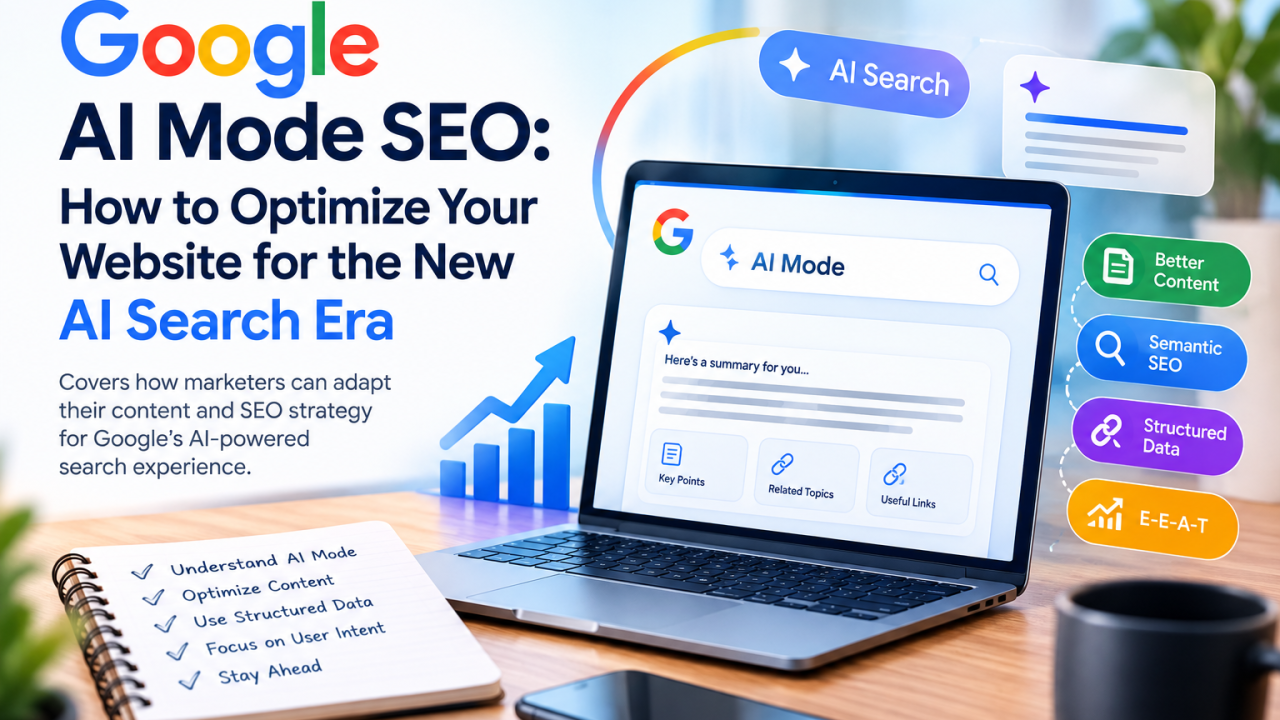








Search technology is evolving quickly with the growth of artificial intelligence. Traditional SEO focused on ranking websites in search engine results pages, but modern AI-powered search systems are changing how information is discovered and presented. Instead of simply showing links, AI systems generate answers, summaries, and recommendations.
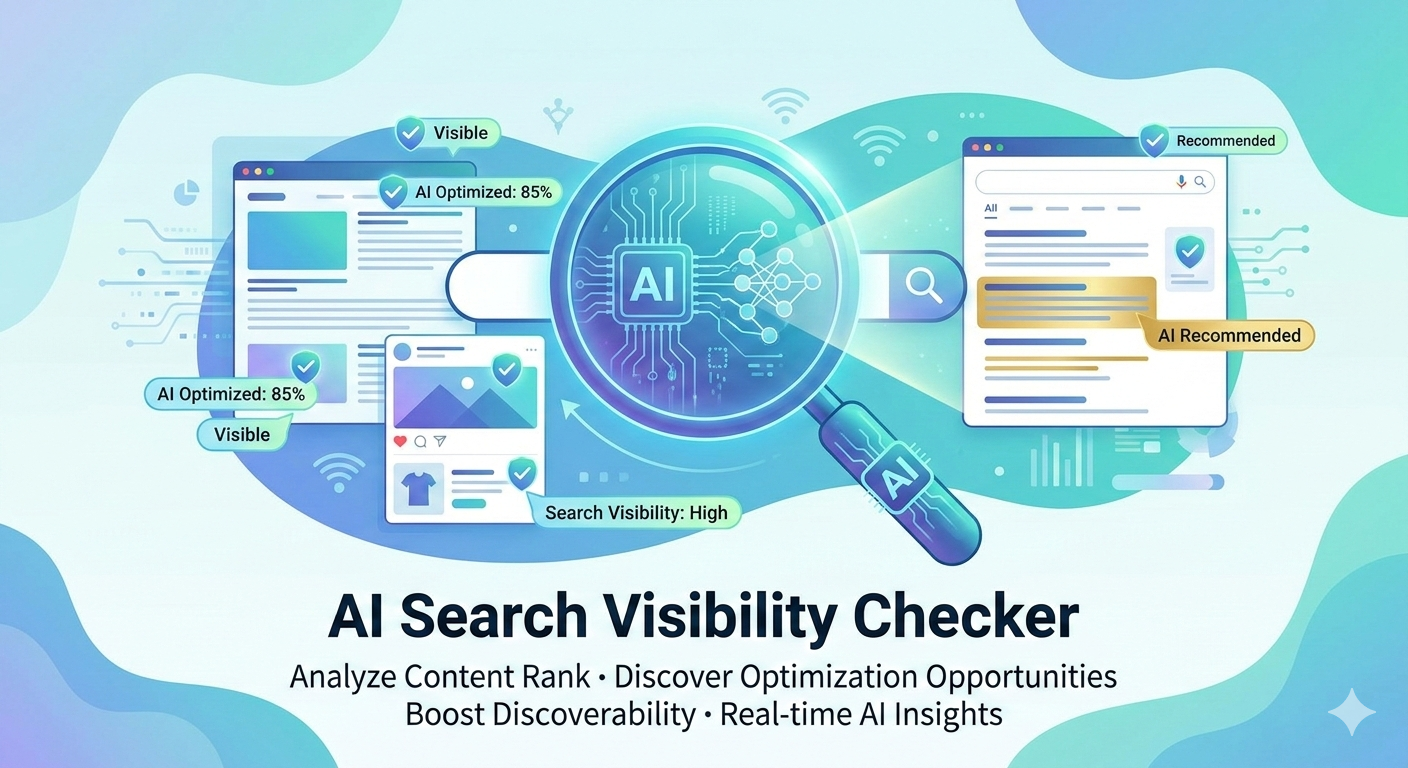
An AI Search Visibility Checker helps determine whether your website is visible and trusted by AI-powered search tools. If your site is not optimized for AI search, you could miss significant traffic opportunities.
What an AI Search Visibility Checker is, why it matters, how to test your website, and how to improve your visibility in AI search results.
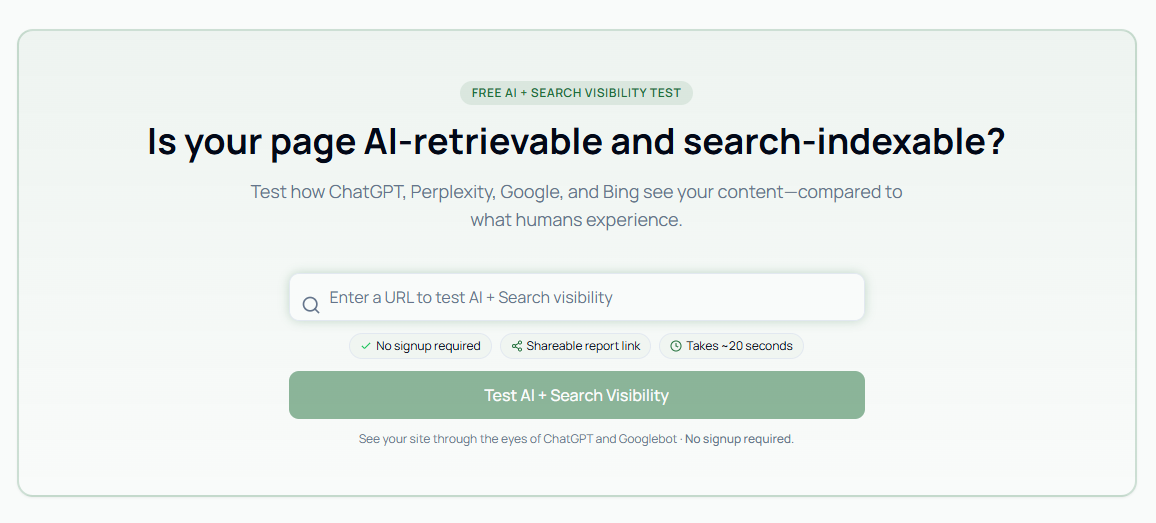
What Is an AI Search Visibility Checker?
An AI Search Visibility Test is a method or tool used to evaluate how well your website appears in AI-powered search results. These systems analyze website content, credibility, and relevance to determine whether it should be included in AI-generated answers.
The checker typically analyzes:
-
Content quality and structure
-
Website authority
-
Semantic relevance
-
Technical SEO performance
-
AI readability
By running an AI search visibility check, businesses can identify whether their content is optimized for modern AI-driven search experiences.
Why AI Search Visibility Matters
AI search engines are transforming how users access information. Instead of browsing multiple links, users often receive instant answers generated by AI systems.
This means websites must compete not only for search rankings but also for AI-generated references and recommendations.
Benefits of strong AI search visibility include:
-
Increased brand exposure
-
Higher credibility and trust
-
More organic traffic
-
Better positioning in AI-generated answers
Websites that adapt to AI search early will gain a major competitive advantage.
How an AI Search Visibility Checker Works
An AI Search Visibility Checker evaluates several important SEO and content factors.
1. Content Clarity and Structure
AI systems prefer well-organized content that is easy to understand.
Good content structure includes:
-
Clear headings (H1, H2, H3)
-
Short paragraphs
-
Bullet points and lists
-
Informational sections
Well-structured content helps AI models interpret and summarize information accurately.
2. Semantic SEO and Topic Coverage
Modern AI systems analyze context and topic relationships rather than focusing only on keywords.
An AI Search Visibility Checker evaluates whether your content:
-
Covers a topic in depth
-
Includes related keywords and concepts
-
Answers common user questions
Comprehensive content performs better in AI-driven search.
3. Website Authority
AI search engines often prioritize trusted sources.
Authority signals include:
-
High-quality backlinks
-
Brand recognition
-
Expert-level content
-
Accurate information
Websites with stronger authority have a higher chance of appearing in AI responses.
4. Technical SEO Performance
Technical performance plays an important role in AI visibility.
Important factors include:
-
Page loading speed
-
Mobile responsiveness
-
Secure HTTPS connection
-
Proper indexing and crawling
These elements ensure AI systems can easily analyze your website.
5. Structured Data and Schema Markup
Structured data helps machines understand website content more effectively.
Useful schema types include:
-
FAQ schema
-
Article schema
-
Organization schema
These signals improve machine readability and increase AI search visibility.
How to Test Your AI Search Visibility
You can perform a basic AI search visibility check by following these steps.
Search Your Topic in AI Tools
Use AI-powered search assistants and ask questions related to your niche.
Check whether:
-
Your website is mentioned
-
Your brand appears as a source
-
AI summarizes your content
If your site is frequently referenced, it indicates strong AI visibility.
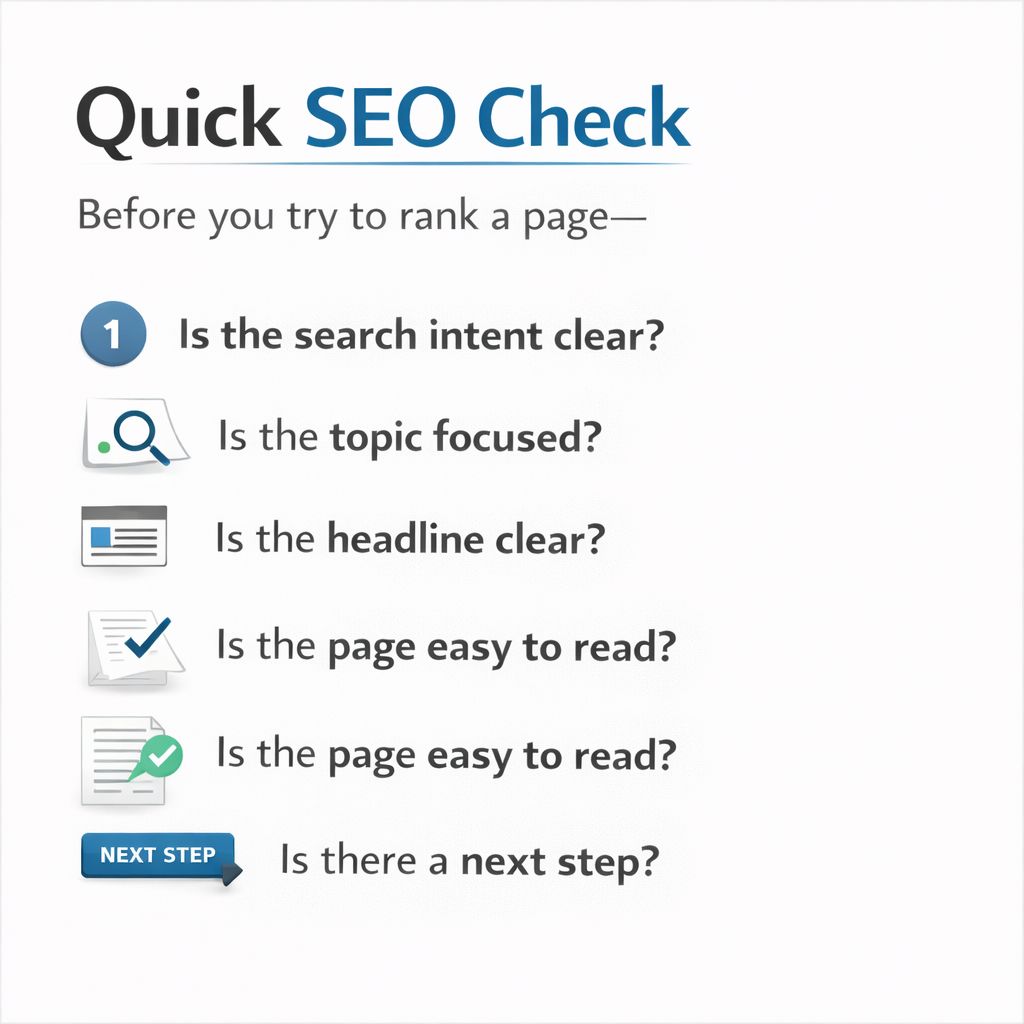
Evaluate Content Depth
Analyze whether your articles fully cover a topic.
Strong AI-friendly content usually:
-
Provides detailed explanations
-
Answers multiple related questions
-
Includes examples and practical information
Thin or shallow content is less likely to appear in AI-generated responses.
Analyze Competitors
Compare your website with competitors that appear frequently in AI search results.
Look at:
-
Content length and quality
-
Topic authority
-
Backlink profiles
-
Content structure
This helps identify opportunities for improvement.
How to Improve Your AI Search Visibility
Improving AI visibility requires combining traditional SEO with modern AI optimization techniques.
Create Topic Clusters
Instead of isolated articles, build topic clusters around your niche.
Example cluster for AI SEO:
-
AI SEO strategies
-
AI keyword research
-
AI content optimization
-
AI search ranking factors
Topic clusters help establish authority.
Optimize for Questions
AI systems often prioritize content that answers questions.
Add sections like:
-
What is AI search visibility?
-
How does AI impact SEO?
-
How to improve AI search rankings?
FAQ sections can significantly increase AI discoverability.
Improve Content Expertise
Content should demonstrate expertise and reliability.
Best practices include:
-
Using accurate data and examples
-
Providing clear explanations
-
Updating content regularly
Authoritative content is more likely to be trusted by AI systems.
Focus on User Intent
AI search prioritizes user intent rather than simple keyword matching.
Create content that solves real problems and provides valuable insights.
Future of AI Search Optimization
The future of SEO will be strongly influenced by artificial intelligence. As AI search systems become more advanced, the focus will shift toward:
-
Answer Engine Optimization (AEO)
-
Generative Engine Optimization (GEO)
-
Semantic SEO
-
Content authority and trust
Businesses that adapt to these changes early will dominate the next generation of search.
Final Thoughts
An AI Search Visibility Checker is becoming an essential tool for modern SEO strategies. As AI-powered search tools continue to grow, websites must ensure their content is optimized not only for search engines but also for AI systems that generate answers.