







Search Engine Optimization (SEO) has evolved rapidly over the past decade. With the rise of artificial intelligence (AI), the way websites rank in search engines is changing dramatically. Today, AI is not just helping marketers optimize content—it’s transforming how search engines understand and deliver results.
How AI helps improve SEO ranking, what SEO for AI is called, the future of SEO with AI, AI search optimization strategies, and the best AI SEO tools.
What Is SEO in AI?
AI SEO refers to the use of artificial intelligence technologies to analyze, optimize, and improve website performance in search engines. AI can process huge amounts of data, identify patterns, and provide insights that help websites rank higher in search results.
AI helps with:
-
Keyword research
-
Content optimization
-
Search intent analysis
-
Technical SEO improvements
-
Competitor analysis
-
Automated reporting
Modern search engines already use AI algorithms to understand search intent, user behavior, and content relevance.
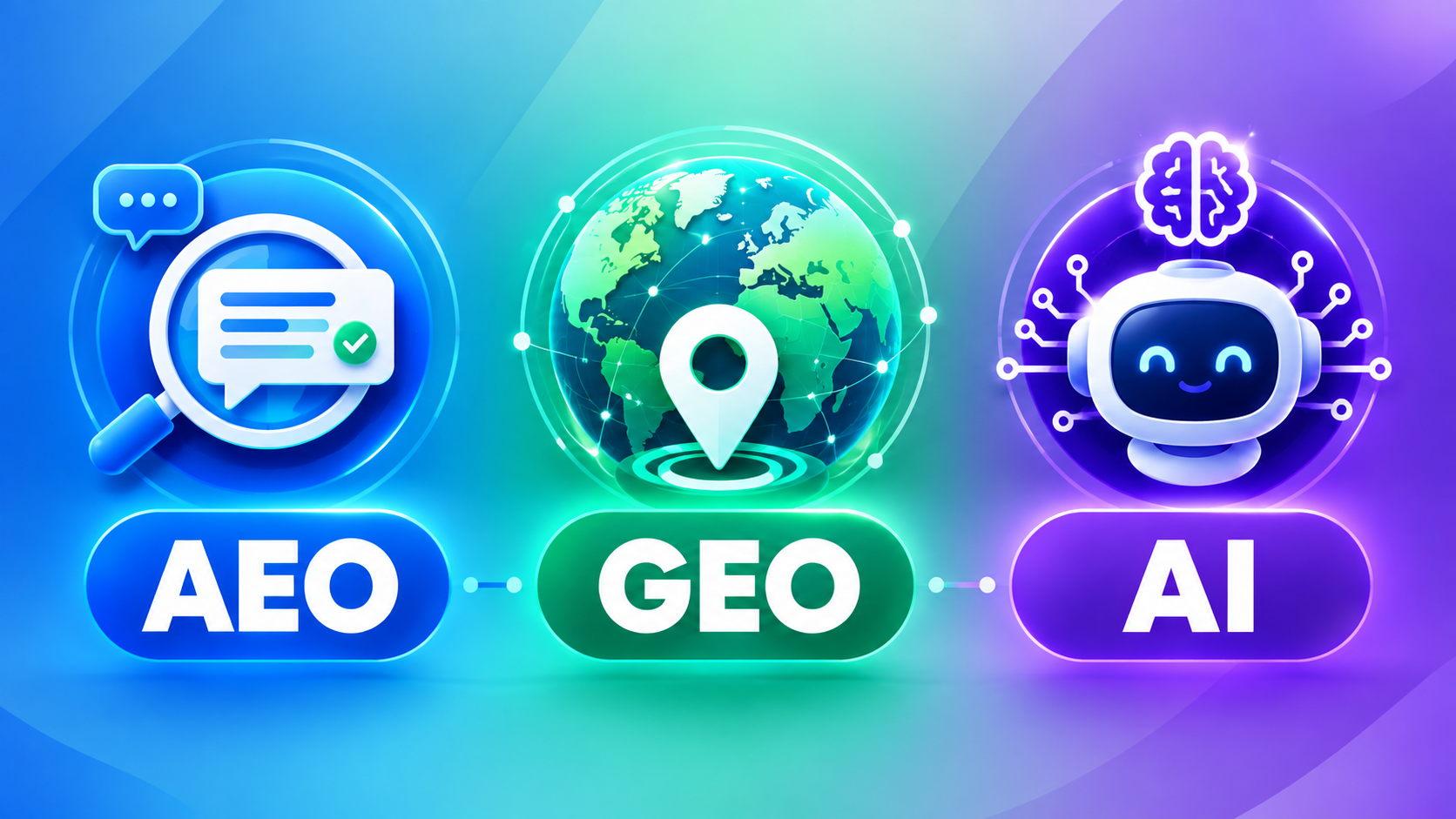
What Is SEO for AI Called?
SEO designed for AI-powered search systems is often called:
1. AEO
AEO focuses on optimizing content so AI assistants and search engines can provide direct answers to user queries.
2. GEO
This is optimization for generative AI search tools such as AI chatbots and AI-powered search experiences.
3. AI Search
This strategy focuses on making content understandable and trustworthy for AI-based search engines and assistants.
These approaches go beyond traditional SEO and focus on semantic understanding, structured data, and authoritative content.
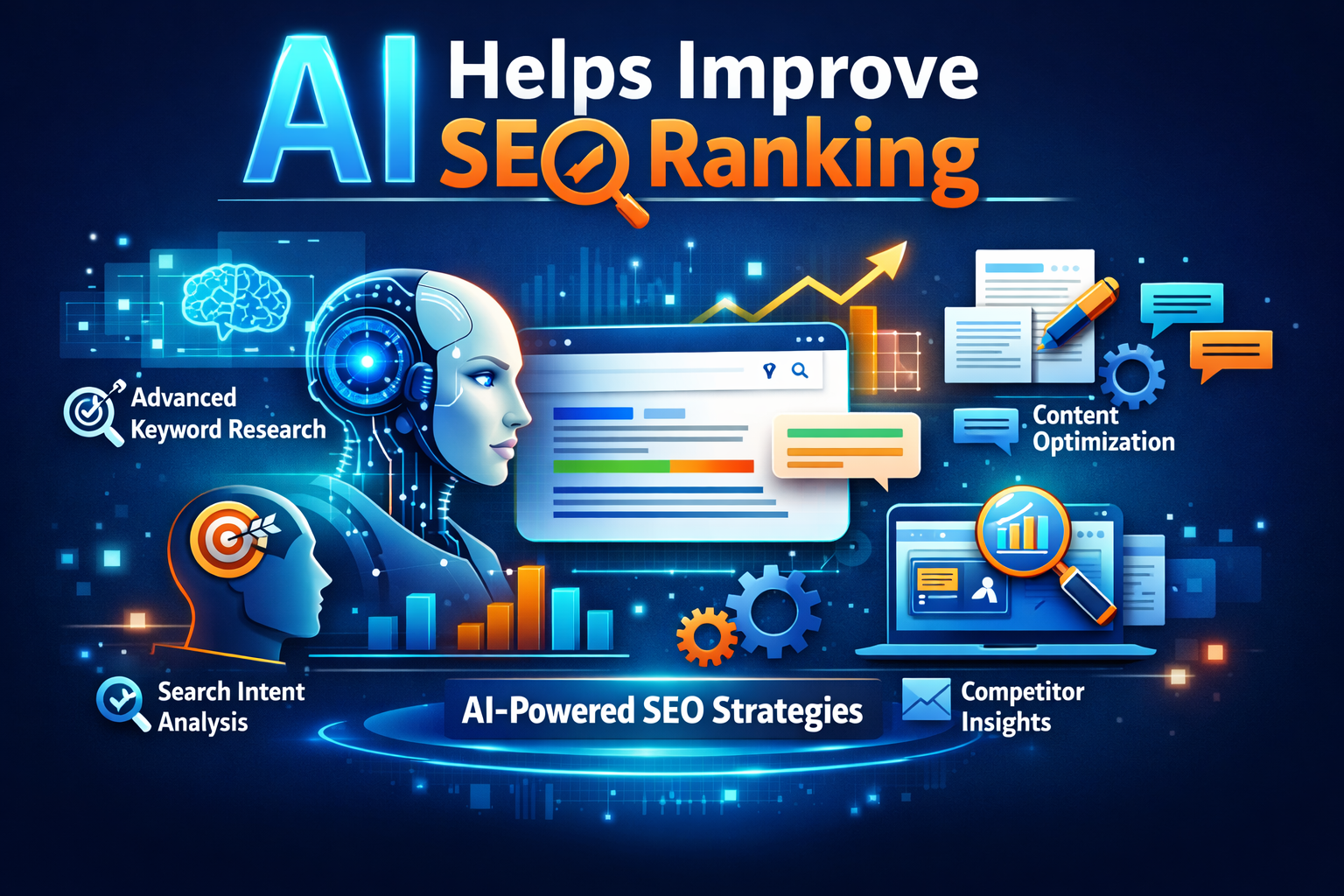
How AI Helps Improve SEO Ranking?
AI significantly enhances SEO performance by automating analysis and providing deeper insights.
1. Advanced Keyword Research
AI tools analyze massive datasets to identify:
-
High-value keywords
-
Long-tail keyword opportunities
-
Search intent behind queries
This helps content creators target keywords that are more likely to rank.
2. Content Optimization
AI tools analyze top-ranking pages and suggest improvements such as:
-
Keyword placement
-
Content structure
-
Readability improvements
-
Topic relevance
This ensures your content aligns with what search engines prefer.
3. Search Intent Understanding
AI algorithms can identify whether a user’s search intent is:
-
Informational
-
Navigational
-
Transactional
-
Commercial
Optimizing content for search intent significantly improves rankings.
4. Automated SEO Audits
AI-powered SEO tools can automatically detect issues like:
-
Broken links
-
Slow loading pages
-
Missing meta tags
-
Poor internal linking
Fixing these issues improves both rankings and user experience.
5. Competitor Analysis
AI tools quickly analyze competitor strategies and identify opportunities such as:
-
Missing keywords
-
Content gaps
-
Backlink opportunities
This gives your website a competitive advantage.
SEO for AI Search
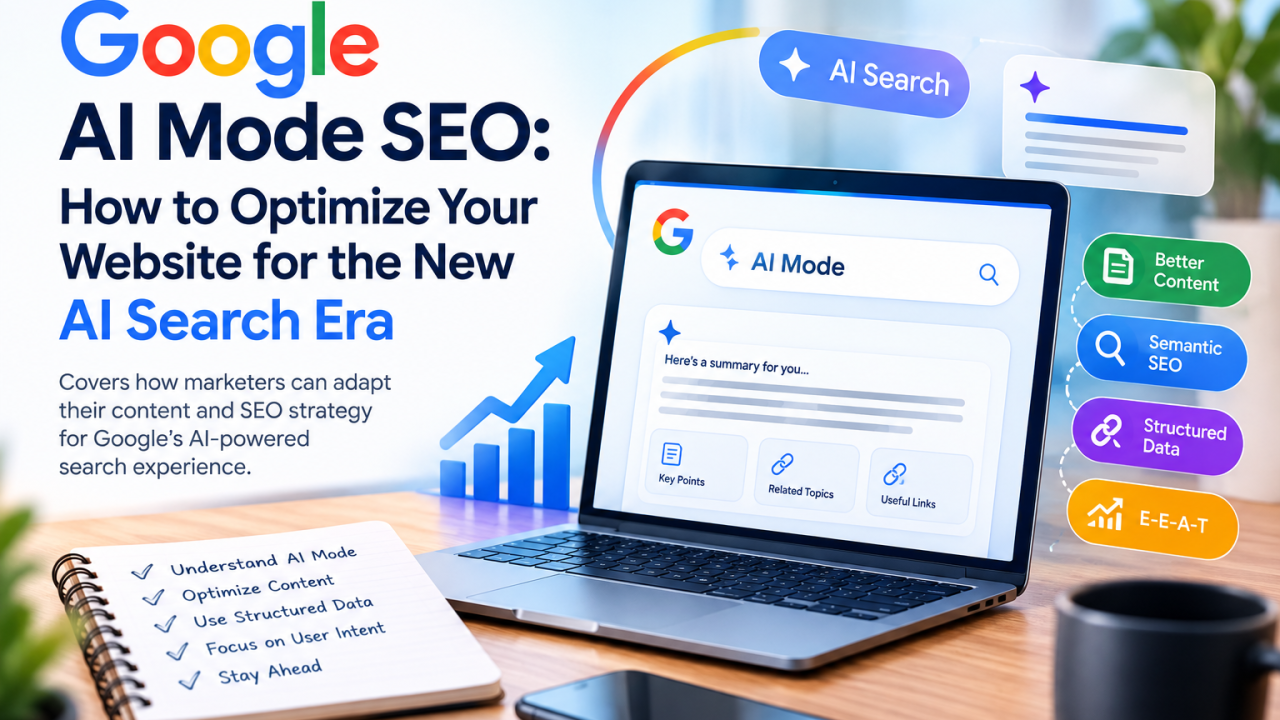
AI-powered search engines are changing how results appear. Instead of just showing a list of links, AI search often provides direct answers, summaries, and conversational results.
To optimize for AI search:
Use Structured Data
Schema markup helps AI understand your content better.
Focus on Topic Authority
Create in-depth content that covers an entire topic.
Optimize for Natural Language
AI search relies heavily on conversational queries.
Improve Content Credibility
Cite sources and provide accurate information to build trust.
SEO vs AI Optimization
| Traditional SEO | AI Optimization |
|---|---|
| Focus on keywords | Focus on search intent |
| Optimize for search engines | Optimize for AI understanding |
| Link building | Authority and expertise |
| Basic content optimization | Semantic content optimization |
| Manual analysis | AI-driven insights |
While traditional SEO focuses on keywords and backlinks, AI optimization focuses on meaning, context, and user experience.
Future of SEO With AI
The future of SEO will be heavily influenced by AI technologies. Here are some key trends:
1. AI-Powered Search Results
Search engines will increasingly generate AI summaries instead of just showing links.
2. Voice Search Growth
Voice assistants will rely heavily on AI-optimized content.
3. Predictive Search
AI will predict what users want before they finish typing.
4. Personalized Search Results
Search engines will deliver more personalized results based on user behavior.
5. Visual and Multimodal Search
AI will combine text, images, and videos to deliver richer search experiences.
Businesses that adapt to AI-driven search early will gain a significant advantage.
Best AI SEO Tools
AI SEO tools help automate many optimization tasks.
1. Surfer SEO
Provides AI-powered content optimization and keyword analysis.
2. Jasper AI
Helps generate SEO-friendly content quickly.
3. SEMrush AI Tools
Offers keyword research, competitor analysis, and SEO audits.
4. Clearscope
Improves content relevance and readability.
5. Frase
Optimizes content for search intent and AI-based search engines.
These tools help marketers create better content faster while improving SEO performance.
Final Thoughts
Artificial intelligence is transforming the world of SEO. From advanced keyword research to automated content optimization, AI helps businesses improve search rankings more efficiently than ever before.
To stay competitive in the modern search landscape, businesses should focus on:
-
AI-powered SEO tools
-
High-quality, authoritative content
-
Search intent optimization
-
Structured data and semantic SEO
As AI-powered search continues to grow, combining traditional SEO with AI optimization will become the key to long-term search visibility.