









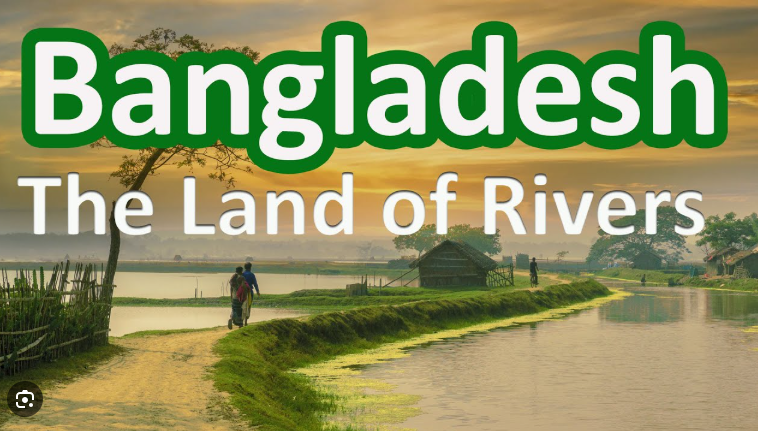
Bangladesh is often called the “Land of Rivers”, and for good reason. Rivers are not just part of the geography—they shape the country’s culture, economy, agriculture, and daily life.
But a common question is:
👉 How many rivers are there in Bangladesh?
Official Count of Rivers in Bangladesh
Bangladesh has approximately:
👉 700 to 800 rivers (including tributaries and seasonal channels)
According to the Bangladesh Water Development Board and geographical studies:
- Around 230–300 are major rivers
- The rest are smaller rivers, tributaries, and seasonal waterways
Some rivers flow year-round, while others only appear during the monsoon season.
Why Bangladesh Has So Many Rivers?
Bangladesh is located in the world’s largest delta system, formed by three major river systems:
- Ganges (Padma system)
- Brahmaputra (Jamuna system)
- Meghna system
Because of this delta formation:
- Rivers split into many branches
- New channels form during floods
- Waterways constantly change direction
This is why the number of rivers is not fixed and can vary.
Major Rivers of Bangladesh
Here are some of the most important and well-known rivers:
1. Padma River
- One of the largest rivers in Bangladesh
- Formed by the Ganges entering Bangladesh
- Crucial for agriculture and transportation
2. Jamuna River
- Main channel of the Brahmaputra in Bangladesh
- Known for strong currents and wide riverbeds
3. Meghna River
- One of the widest rivers in the country
- Flows into the Bay of Bengal
4. Brahmaputra River
- Enters Bangladesh from India
- Highly influential in northern floodplain regions
5. Karnaphuli River
- Important river in the Chittagong region
- Used for hydroelectric power and port activities
Types of Rivers in Bangladesh
Bangladesh’s rivers can be divided into three main categories:
1. Major Rivers
Large permanent rivers like Padma, Meghna, and Jamuna.
2. Tributaries
Smaller rivers that flow into larger rivers.
3. Seasonal Rivers
Rivers that appear mainly during the monsoon season and dry up partially in winter.
Importance of Rivers in Bangladesh
Rivers are extremely important to the country:
🌾 Agriculture
- Provide irrigation for rice and crops
- Deposit fertile silt during floods
🚢 Transport
- Many rural areas depend on river transport
- Boats are a major means of travel
🎣 Fishing Industry
- Millions depend on rivers for fishing
- Major source of protein for the population
⚡ Energy
- Rivers like Karnaphuli support hydroelectric power
Challenges Facing Rivers
Despite their importance, rivers in Bangladesh face several challenges:
- River erosion destroying land and homes
- Pollution from industry and waste
- Changing river paths due to climate change
- Seasonal flooding causing damage
Why River Numbers Are Not Exact?
You may notice different sources say:
- 700 rivers
- 800 rivers
- 230 major rivers
This is because:
- Rivers change course naturally
- Seasonal rivers appear/disappear
- Smaller channels are difficult to classify
So, the exact number is not fixed but estimated.
Final Summary
- ✔ Total rivers: Around 700–800
- ✔ Major rivers: About 230–300
- ✔ Bangladesh is part of the world’s largest delta system
- ✔ Rivers are essential for economy, agriculture, and daily life
Conclusion
Bangladesh’s identity is deeply connected to its rivers. They are not just natural water bodies—they are the backbone of the country’s livelihood and environment. From agriculture to transportation, rivers continue to shape the future of the nation.