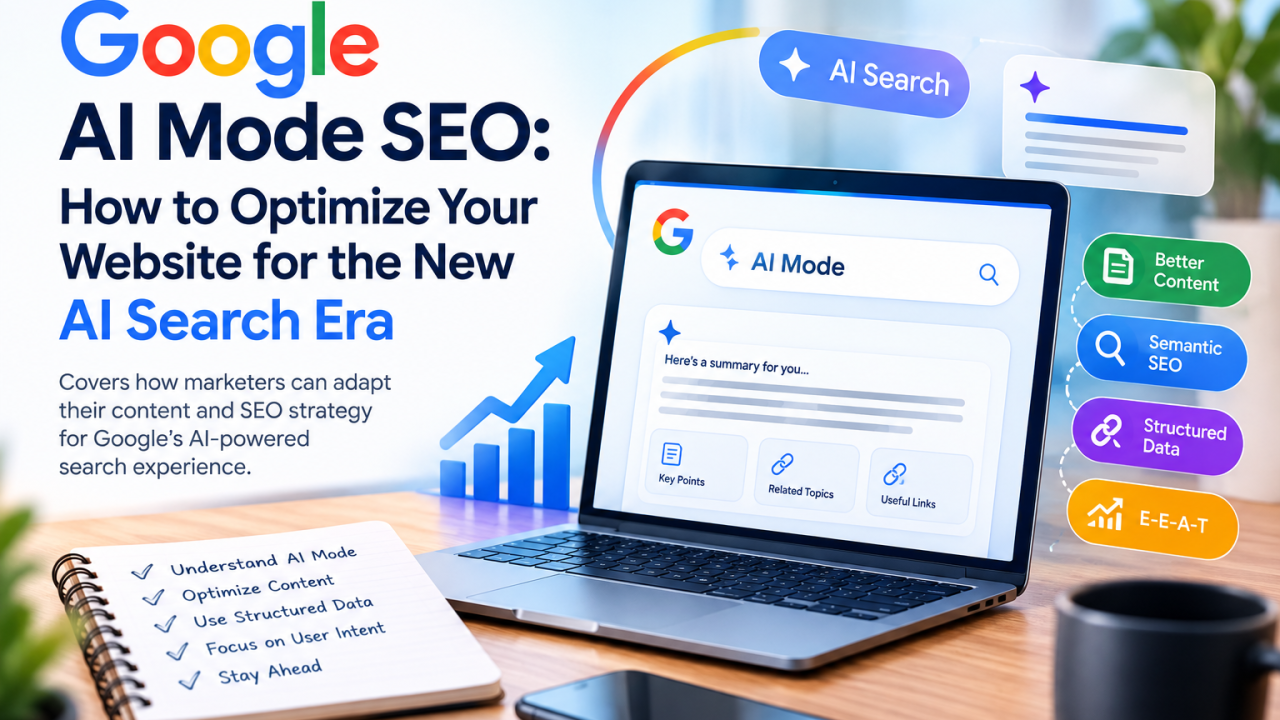









Artificial Intelligence (AI) is transforming how websites rank, attract traffic, and convert visitors into customers. Search engines like Google now rely heavily on AI-driven algorithms, making it essential for businesses to adapt their SEO strategies accordingly. If you want to stay competitive, you need more than traditional SEO—you need AI-powered optimization.
Here are powerful, practical AI SEO tips to boost your visibility and conversions:
1. Leverage AI for Keyword Research
Traditional keyword research is evolving. AI tools like Ahrefs and SEMrush analyze massive datasets to uncover:
- Long-tail keywords
- User intent
- Trending search queries
Focus on intent-based keywords rather than just search volume. AI helps you understand why users search, not just what they search.
2. Optimize for Search Intent (Not Just Keywords)
AI algorithms like Google RankBrain prioritize content that satisfies user intent.
There are four main types:
- Informational
- Navigational
- Transactional
- Commercial
Match your content to these intents. For example:
- Blog posts → Informational
- Product pages → Transactional
3. Use AI Content Tools Strategically
AI writing tools such as ChatGPT and Jasper AI can:
- Generate content ideas
- Create outlines
- Improve readability
But avoid fully automated content. Always edit, fact-check, and add human insight to maintain quality and trust.
4. Optimize for Voice Search
With the rise of assistants like Google Assistant and Amazon Alexa, voice search is growing fast.
Tips:
- Use natural language
- Answer questions directly
- Target conversational keywords (e.g., “best SEO tips near me”)
5. Improve On-Page SEO with AI Insights
AI tools can analyze your pages and suggest improvements for:
- Meta titles and descriptions
- Header structure (H1, H2, H3)
- Keyword placement
Tools like Surfer SEO help you optimize content based on real-time SERP data.
6. Enhance User Experience (UX)
Search engines reward websites that provide a great user experience.
AI can help you:
- Analyze user behavior (heatmaps, session tracking)
- Reduce bounce rates
- Improve navigation
Tools like Hotjar provide actionable UX insights.
7. Use AI for Content Personalization
AI allows you to deliver personalized content based on:
- User location
- Behavior
- Preferences
Personalized experiences increase:
- Engagement
- Time on site
- Conversion rates
8. Automate Technical SEO Tasks
AI tools can automate complex SEO tasks such as:
- Site audits
- Broken link detection
- Schema markup
Platforms like Screaming Frog SEO Spider make technical SEO faster and more efficient.
9. Build High-Quality Content (E-E-A-T Focus)
AI search systems prioritize content with:
- Experience
- Expertise
- Authority
- Trust
Focus on:
- Original insights
- Case studies
- Real-world examples
Avoid thin or duplicate AI-generated content—it can hurt rankings.
10. Optimize for Featured Snippets & AI Results
AI-powered search results (like featured snippets and AI summaries) are dominating SERPs.
To rank:
- Use bullet points
- Answer questions clearly
- Add structured data
Think: “How can my content become the best answer?”
11. Predict Trends with AI Analytics
AI can forecast trends before they peak.
Use predictive tools to:
- Create content early
- Capture emerging traffic
- Stay ahead of competitors
12. Continuously Test and Improve
AI SEO is not “set and forget.”
Use AI-driven A/B testing to:
- Improve headlines
- Optimize CTAs
- Increase conversions
Small tweaks can lead to major gains.
Final Thoughts
AI is not replacing SEO—it’s enhancing it. Businesses that combine human creativity with AI intelligence will dominate search rankings and drive higher conversions.